We are currently witnessing the dawn of a golden era in computing power, driven by the exponential growth of data and the rise of emerging technologies like Artificial Intelligence (AI), the Internet of Things (IoT), and smart manufacturing. The global computing power market is expanding at an unprecedented rate, with a recent report by IDC predicting a compound annual growth rate (CAGR) of over 20% for the high-performance computing (HPC) market through 2025. This growth is propelled by the increasing demand for processing vast amounts of data in real time, fueling advancements in industries that range from healthcare, transportation, and finance to manufacturing and energy. As we embrace this new era, powerful and reliable industrial storage solutions play a vital role.
1. The Rapid Development of the Computing Power Market and Its Impact
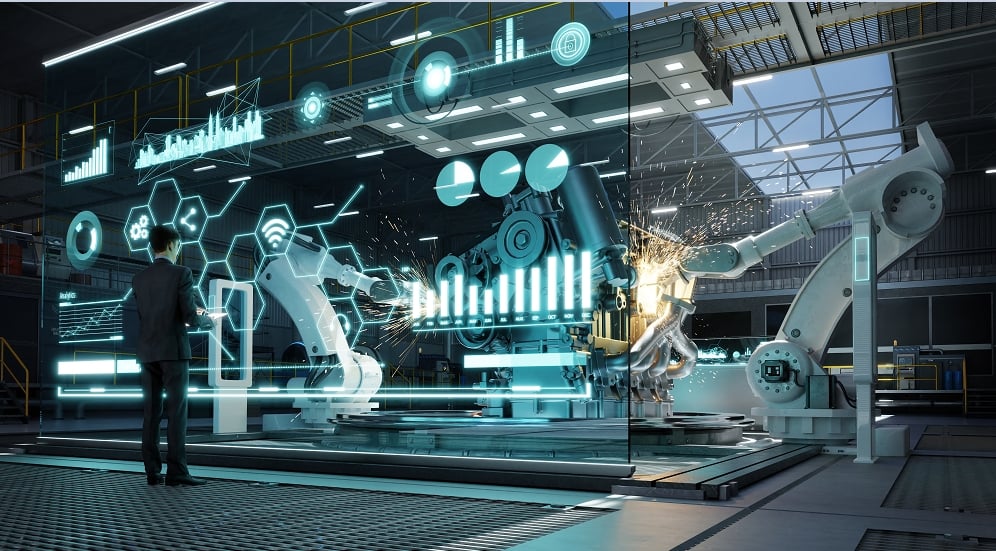
The computing power market has rapidly developed in recent years, with several key factors driving this expansion. The rise of smart manufacturing, where data-driven decision-making processes are paramount, has significantly increased the demand for advanced computing solutions. In smart manufacturing, machines, sensors, and systems are interconnected, enabling real-time data exchange and analysis. This interconnectedness has led to improved efficiency, reduced downtime, and enhanced product quality, but it also requires immense computing power to process and analyze data on the fly.
The expansion of the IoT further accelerates this demand. With billions of devices connected to the internet, generating petabytes of data every day, the need for efficient data processing and storage solutions has never been more critical. The IoT transforms industries by enabling predictive maintenance, optimizing supply chains, and enhancing customer experiences, all underpinned by robust computing power.
Moreover, emerging industries such as autonomous vehicles, augmented reality (AR), virtual reality (VR), and 5G technology are pushing the boundaries of computing power. These technologies require low-latency, high-bandwidth, and reliable computing infrastructure to function effectively. Additionally, traditional industries are undergoing digital transformations, incorporating AI and machine learning into their processes to remain competitive in an increasingly digital world.
The rapid growth of the computing power market is not just a technological shift; it is a paradigm shift that is reshaping entire industries. However, as these industries evolve, the underlying infrastructure that supports them must also advance. This is where industrial storage solutions come into play, ensuring that the data fueling these technologies is stored, processed, and transmitted efficiently and reliably.
2. The Critical Role of Industrial Storage in Modern Systems
In the realm of data processing and computing, industrial storage solutions are indispensable for ensuring the stability and efficiency of contemporary systems. In environments where uninterrupted operation is non-negotiable, and data precision is crucial, industrial storage guarantees that systems function seamlessly, even under the most challenging conditions. The reliability of these storage solutions is pivotal in safeguarding data integrity throughout its entire lifecycle.
Industrial storage is particularly vital in smart manufacturing environments, where data is continuously generated from various sources such as sensors, machinery, and control systems. This data must be stored and processed in real time to facilitate immediate decision-making, which is essential for maintaining production efficiency and quality. The capacity to store vast amounts of data and retrieve it swiftly enables manufacturers to implement predictive maintenance, optimize production lines, and minimize waste.
Moreover, industrial storage solutions are engineered to endure harsh environmental conditions, including extreme temperatures, humidity, shocks, and vibrations. These adverse conditions can lead to data corruption or hardware malfunctions if not properly managed. Industrial-grade storage devices are specifically designed to withstand such challenges, ensuring data remains secure and systems continue to operate smoothly.
Beyond reliability, industrial storage must also offer high bandwidth and low latency to meet the real-time processing demands of modern applications. This is especially critical in fields like artificial intelligence (AI) and machine learning, where vast datasets need to be processed rapidly to yield actionable insights. The performance of storage solutions has a direct impact on the speed and accuracy of these applications, making it an essential component of the entire system’s architecture.
3. Requirements of Industrial Storage in Complex Application Scenarios
The complexity of modern manufacturing and other industrial environments places unique demands on storage solutions. In smart manufacturing, where processes are increasingly automated and data-driven, industrial storage solutions must meet several key requirements to ensure optimal performance.
- High Bandwidth
In data-intensive applications such as AI and IoT, high bandwidth is essential to ensure that data can be transferred quickly between storage devices and processing units. This is particularly important in real-time systems, where delays in data transfer can lead to performance bottlenecks and reduced efficiency. High-bandwidth storage solutions enable seamless data flow, ensuring that systems can operate at peak performance without interruption.
- High Reliability
Reliability is paramount in industrial environments, where system failures can lead to costly downtime and lost productivity. Industrial storage solutions are designed to offer high reliability, with features such as error correction, wear leveling, and redundant storage configurations. These features help to ensure that data remains accessible and accurate, even in the event of hardware failures or other disruptions.
- Wide Temperature Operation
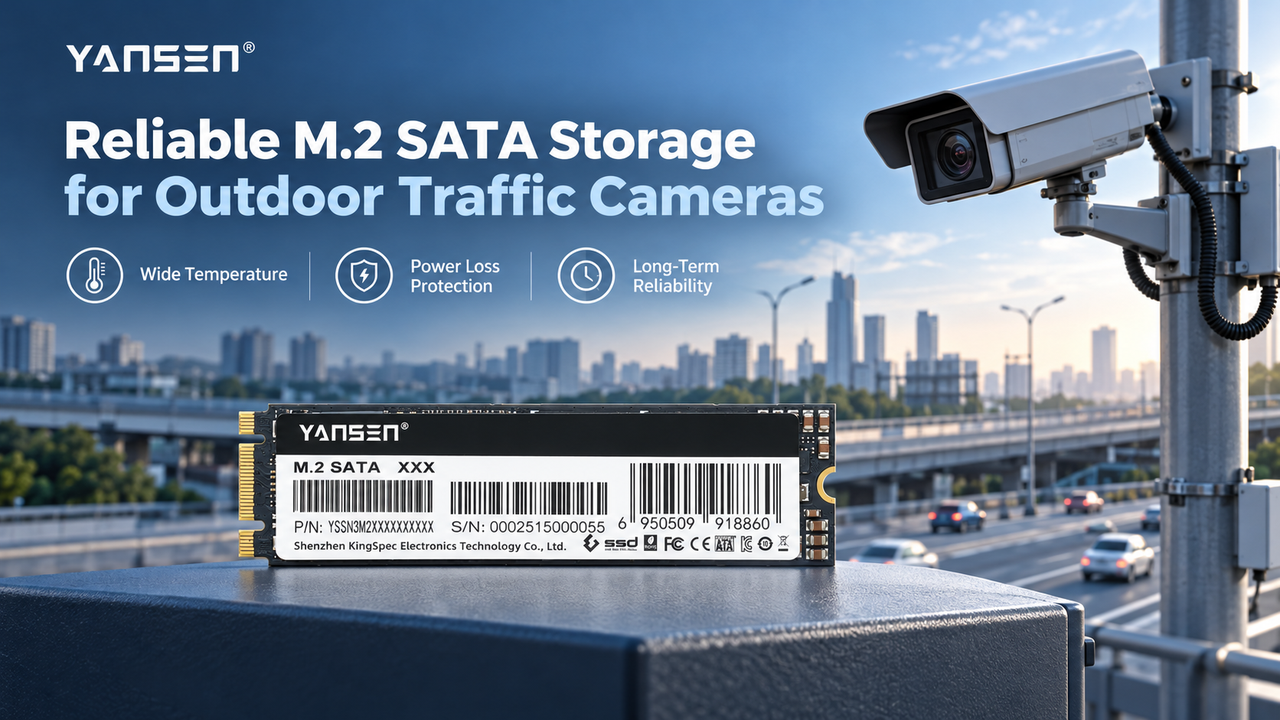
Industrial environments often involve extreme temperatures, which can affect the performance and reliability of electronic components. Industrial storage solutions are designed to operate within a wide temperature range, ensuring consistent performance in both hot and cold conditions. This is critical for applications such as outdoor installations, automotive systems, and manufacturing facilities, where temperature fluctuations are common.
4. The Role of DDR Memory in AI Edge Computing
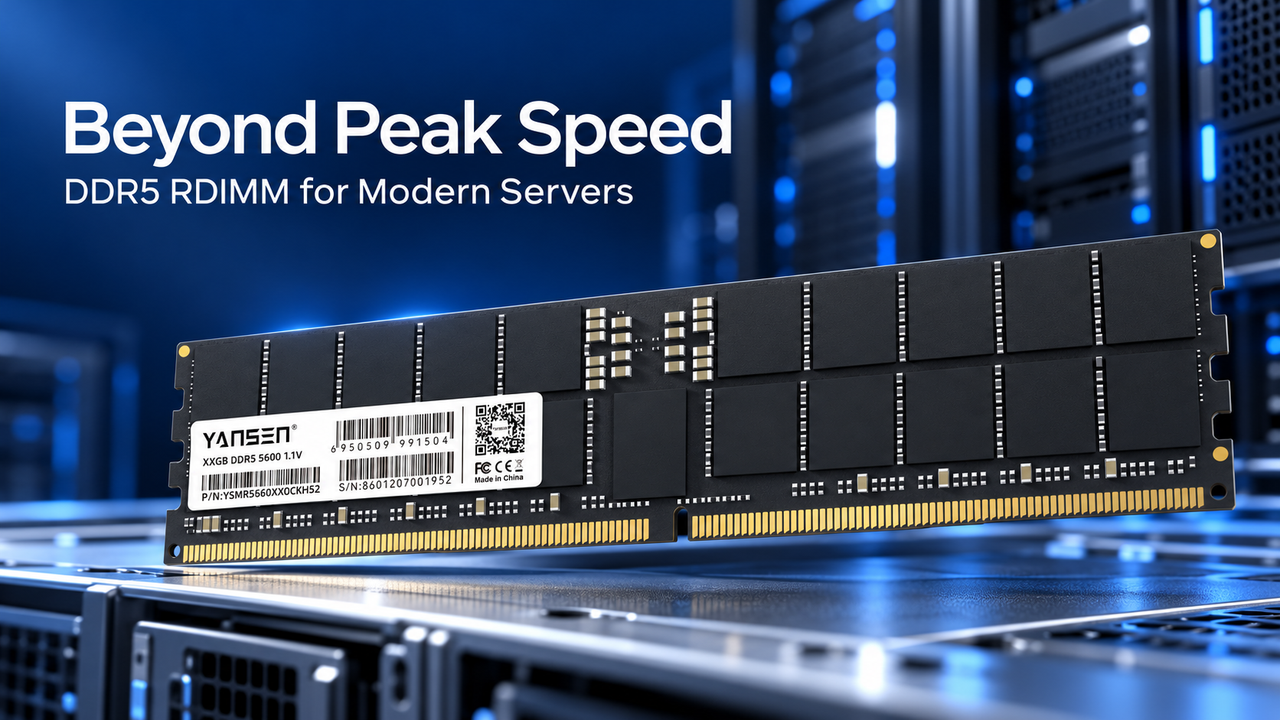
As AI continues to evolve, the demand for edge computing—where data processing occurs closer to the source of data generation—has grown significantly. Edge computing reduces latency and bandwidth usage by processing data locally, making it ideal for applications such as autonomous vehicles, smart cities, and industrial automation. In these scenarios, DDR (DDR 3,DDR 4 ) memory plays a crucial role in enabling fast and efficient data processing.


- Characteristics and Advantages of DDR Memory
DDR memory is known for its high frequency, stability, and low latency, making it an ideal choice for edge computing applications. Its ability to transfer data at high speeds ensures that AI algorithms can process information quickly, enabling real-time decision-making. Additionally, DDR memory’s low latency reduces the time it takes for data to be accessed and processed, which is critical for applications where milliseconds can make a difference, such as in autonomous driving or real-time industrial control systems.
- Applications of DDR Memory in Edge Servers and Industrial Computers
In edge servers and industrial computers, DDR memory provides the data processing power needed to handle complex AI workloads. These devices often operate in environments where space and power are limited, making the efficiency of DDR memory particularly valuable. By offering high performance in a compact form factor, DDR memory enables edge devices to process large datasets and execute AI algorithms without the need for constant communication with a centralized data center.
Furthermore, DDR memory is highly reliable, with features such as Error-Correcting Code (ECC) that help prevent data corruption during processing. This reliability is essential in industrial applications.
5. The Advantages and Applications of eTLC SSDs
In the context of AI edge computing and other data-intensive applications, eTLC (Enterprise Triple-Level Cell) SSDs have emerged as a powerful storage solution. eTLC SSDs offer a unique combination of high performance and durability, making them well-suited to the demands of modern computing environments.
- Meeting the Dual Demands of Performance and Durability
eTLC SSDs are designed to provide high performance without compromising on durability. By storing three bits of data per cell, eTLC technology allows for higher data density and increased storage capacity. At the same time, eTLC SSDs are built to withstand the high write cycles associated with intensive workloads, offering a longer lifespan compared to consumer-grade SSDs.
This balance between performance and durability makes eTLC SSDs ideal for use in AI edge computing, where large volumes of data must be processed quickly and reliably. Whether used in edge servers, industrial control systems, or IoT devices, eTLC SSDs ensure that data can be accessed and processed efficiently, without the risk of premature wear or data loss.
- Supporting Massive Data Processing and Efficient Computing in AI Edge Computing
AI edge computing involves processing vast amounts of data at the network’s edge, closer to where the data is generated. This requires storage solutions that can handle high I/O workloads while maintaining low latency and high reliability. eTLC SSDs excel in this environment, providing the speed and endurance needed to support real-time data processing and AI inference.
With their high write endurance, eTLC SSDs can manage the continuous data writes required by AI algorithms without degrading performance over time. This is particularly important in applications such as predictive maintenance, where large datasets are continuously updated and analyzed to identify potential equipment failures before they occur.
Additionally, eTLC SSDs are equipped with advanced features such as intelligent thermal control and built-in temperature sensors. These features help to maintain optimal operating conditions, preventing overheating and ensuring consistent performance even in challenging environments.
- Intelligent Thermal Control and Built-In Temperature Sensors
Temperature management is a critical factor in the performance and longevity of SSDs, particularly in industrial environments where ambient temperatures can fluctuate. eTLC SSDs incorporate intelligent thermal control mechanisms that adjust the drive’s operating parameters based on real-time temperature readings. This helps to prevent overheating, which can lead to data corruption or drive failure, and ensures that the SSD operates within safe temperature limits.
Built-in temperature sensors continuously monitor the SSD’s internal temperature, providing valuable data that can be used to optimize cooling strategies and prevent thermal throttling. By maintaining a stable operating temperature, eTLC SSDs can deliver consistent performance and extend the overall lifespan of the drive.
6. Conclusion
As we advance deeper into the golden era of computing power, the significance of industrial storage solutions becomes increasingly undeniable. These solutions are the backbone of high-performance computing systems, driving the innovation behind modern applications—from smart manufacturing and AI edge computing to the Internet of Things (IoT) and beyond.
The future of industrial storage technology is promising, with continuous advancements in performance, reliability, and durability. As industries rapidly adopt and integrate cutting-edge technologies, the demand for sophisticated storage solutions will continue to surge. Companies like YANSEN are leading this evolution, offering enterprise-grade storage products that address the unique challenges of today’s computing environments.
One standout product in YANSEN’s portfolio is the enterprise U.2 eTLC SSD , which seamlessly combines high capacity with exceptional performance and durability. Equipped with a capacity of up to 7.68TB, and speeds of up to 7400MB/s(read), and 6100MB/s(write), this product is the perfect choice for applications that require robust and efficient storage, such as AI edge computing and smart manufacturing. With features like intelligent thermal control and integrated temperature sensors, YANSEN’s U.2 eTLC SSD ensures that data is stored and processed under optimal conditions, maximizing both performance and longevity.

enterprise U.2 eTLC SSD
By investing in high-quality storage solutions like those from YANSEN, businesses can position themselves to meet future challenges head-on and seize the opportunities that come with the ongoing digital transformation.