News

Why Do Industrial SSDs Need Wide-Temperature Design: Mastering the −40 °C to 85 °C Survival Rule

In an era where the Internet of Things (IoT) and edge computing are rapidly expanding across industries—from renewable energy farms to autonomous vehicles—storage reliability has never been more critical. Extreme temperatures, both scorching heat and bone-chilling cold, can silently undermine data integrity and system uptime. This article delves into the often-overlooked challenge of temperature-induced storage failures, unpacks the core technologies behind wide-temperature industrial SSDs, explores real-world applications, and offers a comprehensive selection guide. We also look ahead to future innovations that will push the boundaries of temperature resilience even further.
Read More »

Introduction: AI’s Data Explosion and the Storage Backbone It Demands

Artificial Intelligence (AI) has evolved from a niche research topic to a business-critical capability. Technologies like ChatGPT, autonomous driving systems, and large-scale recommendation engines all hinge on the processing, movement, and protection of unprecedented volumes of data. But behind every high-performance AI deployment lies one unsung hero—enterprise-grade solid-state drives (SSDs).

Read More »

What Are the Differences Between M.2, PCIe, SATA, and NVMe SSDs

Solid-state drives (SSDs) have transformed how we store data. They are faster and more reliable than traditional hard drives. However, not all SSDs are the same. Their shape, connection type, and technology influence their performance. For instance, M.2 PCIe SSDs are compact and can utilize either PCIe or SATA connections.

Read More »

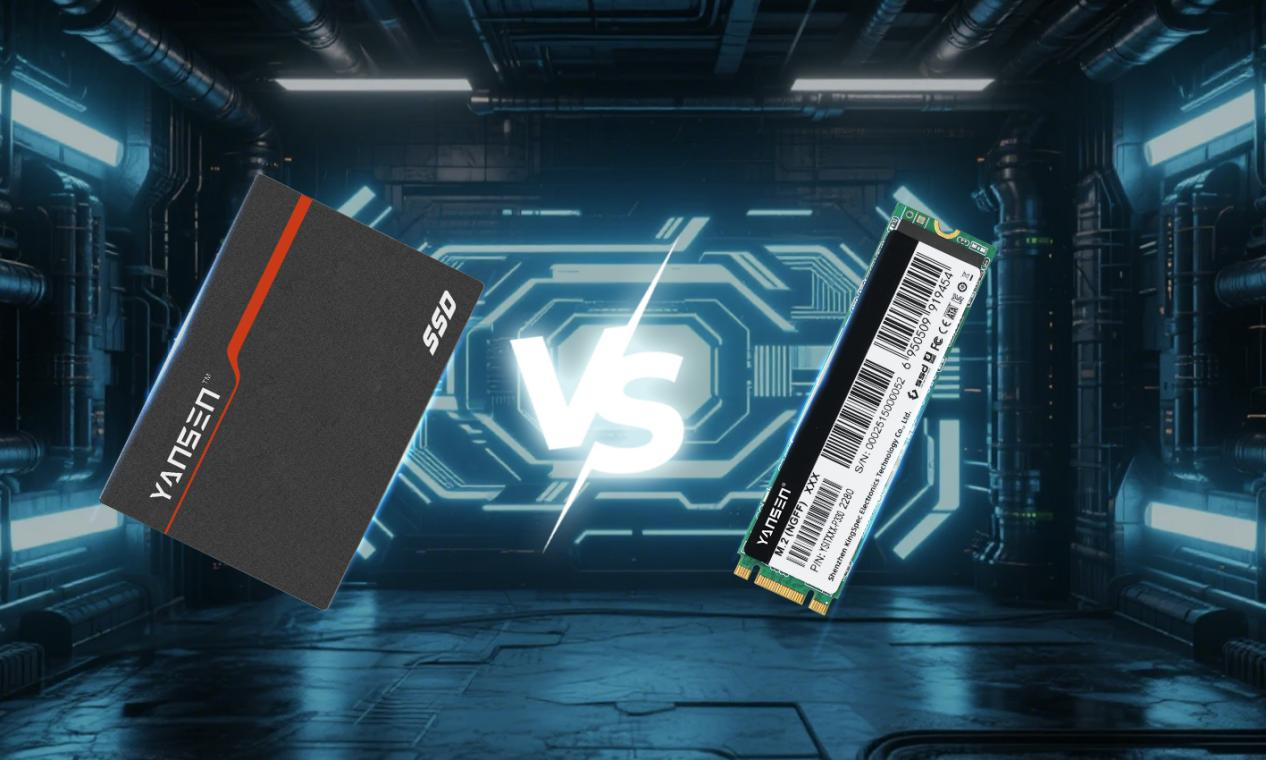
How Does 2.5″ SATA SSD Compare to M.2?

When picking between a 2.5″ SATA SSD and an M.2 SATA SSD, you’ll see differences in size, shape, and how they are installed. M.2 drives are very popular because they are small and work fast, especially in thin devices. On the other hand, 2.5″ SATA SSDs are still liked because they last long and are cheaper for many uses.

Read More »

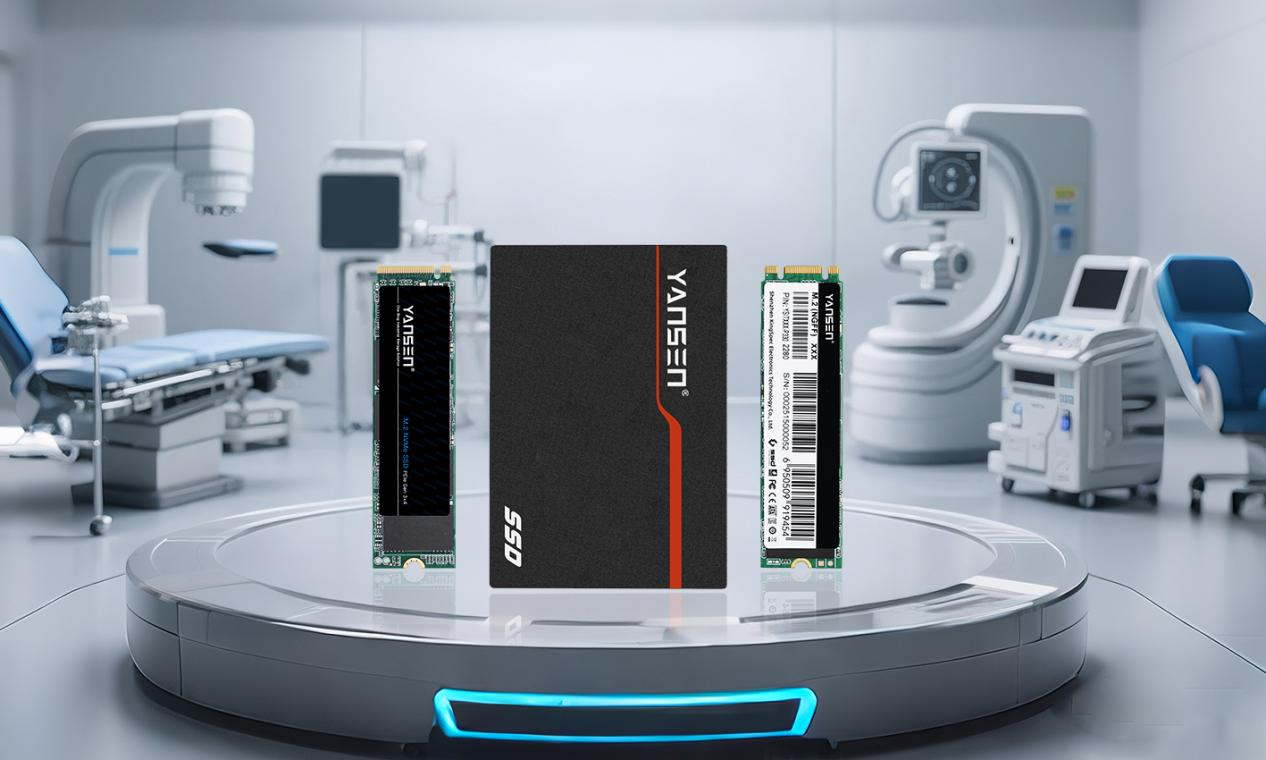
YANSEN Industrial SSD: Empowering Overseas Medical AI Imaging and Accelerating the New Era of Precise Diagnostics

In recent years, the global healthcare industry has undergone a profound digital transformation, with artificial intelligence (AI) emerging as one of the most disruptive forces, particularly in medical imaging. AI’s application in healthcare is not just a technological trend but a significant evolution that is reshaping how medical professionals diagnose and treat patients.

Read More »

What Are the Features and Benefits of Industrial SSDs

Industrial SSDs change how data is stored in tough places. These drives work well in factories, transport systems, or defense jobs. They are built strong to handle shocks, vibrations, and temperature changes. Unlike regular drives, industrial SSDs last longer and stay stable. They are very important for industrial work. Using industrial SSDs keeps your data safe and helps things run smoothly, even in hard situations.

Read More »

A Complete Guide to Selecting the Best M.2 SATA SSD in 2025

Choosing the best M.2 SATA SSD can improve your computer use. Whether you play games, work, or browse, the right SSD helps. It gives faster loading, better multitasking, and safe storage. For instance, a regular SATA SSD reads/writes at 500MB/s. Newer NVMe SSDs can go up to 14,500MB/s. But, your motherboard decides if you can use SATA or NVMe. In 2025, better NAND flash memory and controllers made M.2 SATA SSDs useful. They work well in laptops, desktops, and workstations. Their small size and low power use fit modern computers perfectly.

Read More »
Get Quote