1. The Critical Role of Industrial Storage
In today’s rapidly advancing industrial landscape, effective data management is essential for supporting production processes and ensuring the stability of systems. As industries become increasingly automated and digitalized, the demand for advanced storage solutions is growing exponentially. Industrial storage solutions, particularly industrial solid-state drives (SSDs), play a pivotal role in addressing these needs. These drives offer a reliable and efficient means of storing and accessing critical data in real-time, making them indispensable in industrial environments.
Among the many factors that influence the performance of industrial SSDs, the interface used to connect the SSD to a system is one of the most crucial. The interface serves as the critical pathway through which data is transmitted between the SSD and the rest of the system, and choosing the right interface is key to ensuring optimal performance and compatibility.
Different industrial applications have unique requirements when it comes to storage, and the wrong interface choice can lead to performance bottlenecks and compatibility issues. This guide will help professionals in the industrial sector navigate the complexities of selecting the right SSD interface for their specific needs. We will explore various industrial SSD interfaces, compare their strengths and weaknesses, and provide a clear roadmap to making the right choice.
2. Common Industrial SSD Interface Types
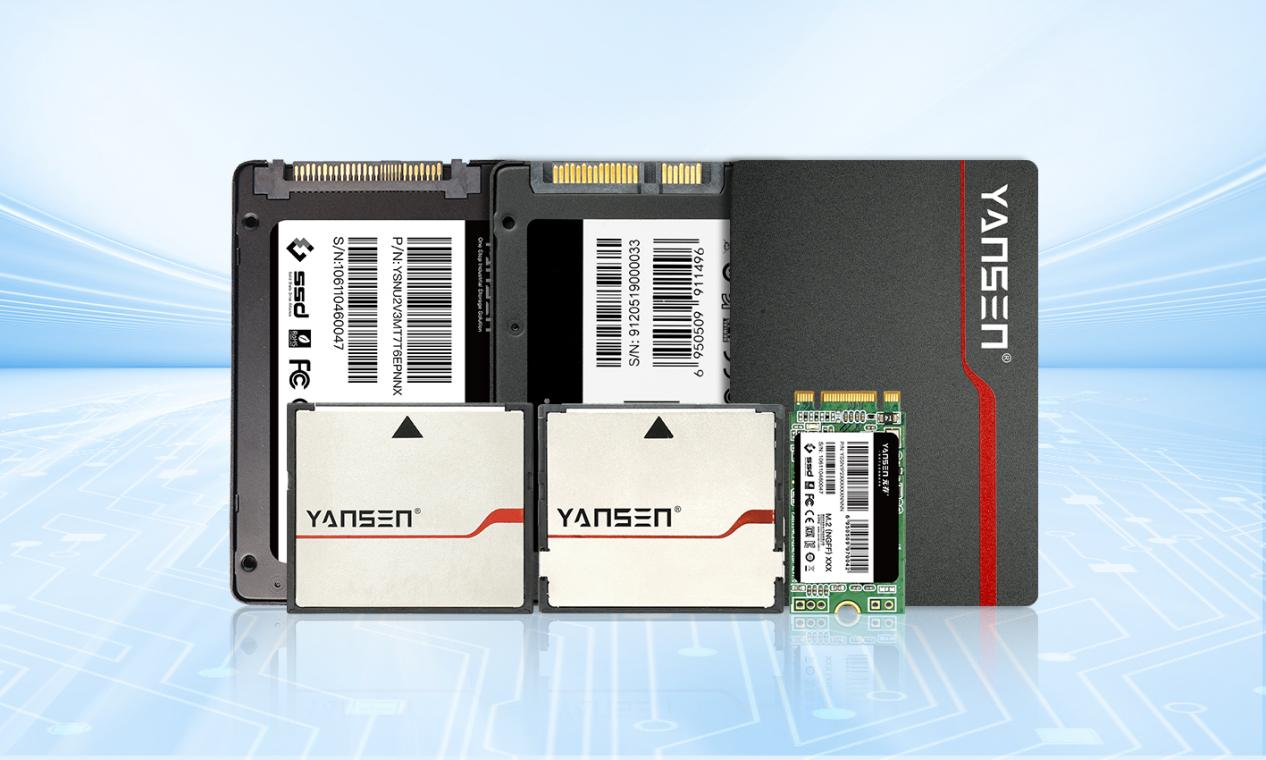
2.1 SATA Interface
The SATA (Serial Advanced Technology Attachment) interface has long been the standard for connecting SSDs in industrial systems. SATA 3.0, which offers a data transfer rate of up to 6Gbps, remains a popular choice in industrial settings.
Application Advantages
- Compatibility: SATA interfaces are highly compatible with existing industrial systems, making them a go-to option for upgrading legacy storage solutions.
- Cost-effective: Due to its widespread adoption and mature technology ecosystem, SATA-based SSDs are relatively inexpensive, making them ideal for applications where cost is a key consideration.
- Suitable Applications: SATA SSDs are commonly used in systems with moderate storage demands, such as industrial control systems and basic automation setups.
2.2 M.2 Interface
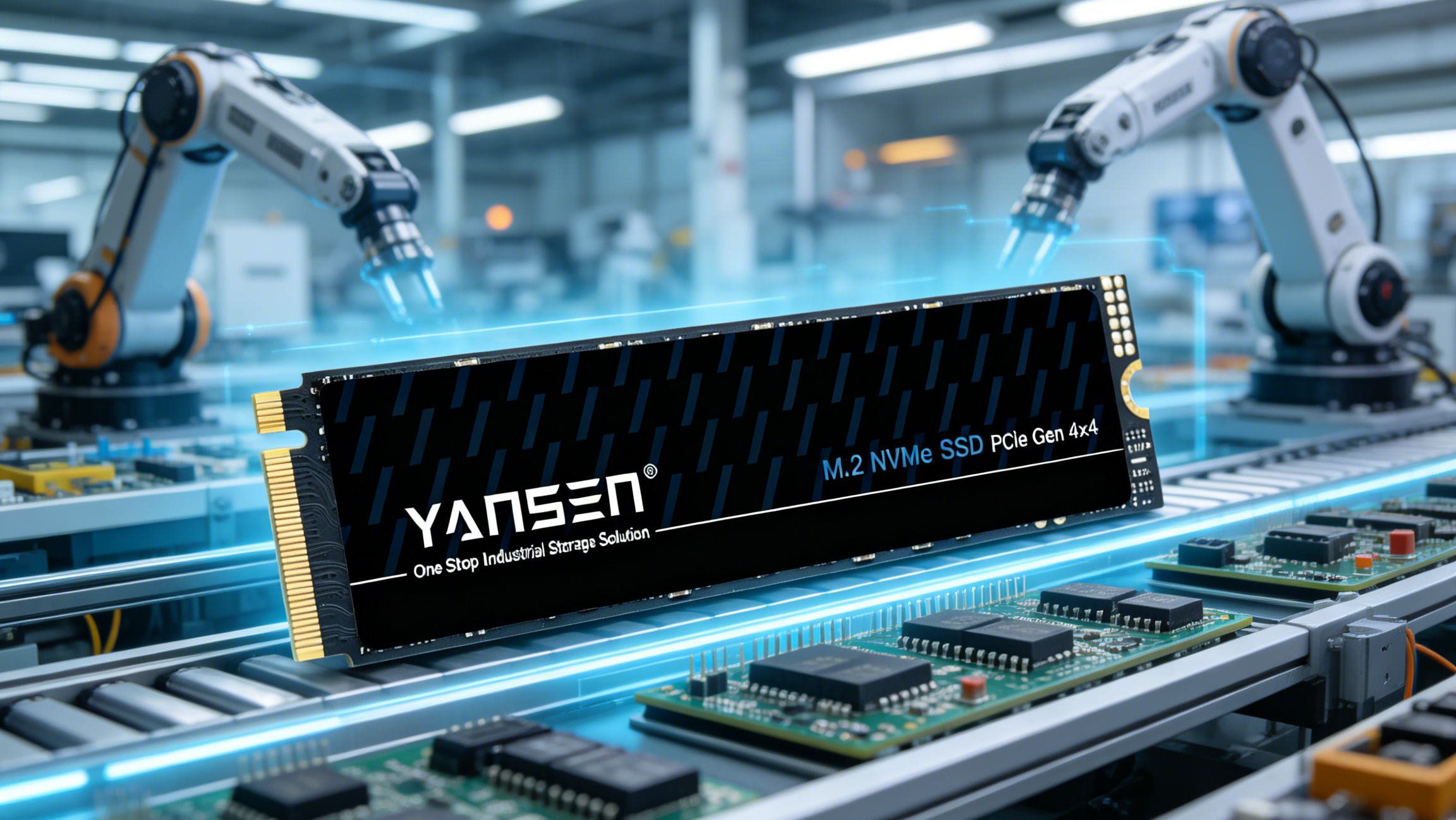
M.2 is a compact, versatile interface that encompasses both M.2 SATA and M.2 PCIe (Peripheral Component Interconnect Express) protocols. M.2 PCIe SSDs are particularly known for their exceptional performance.
Application Advantages
- Space-efficient: M.2 interfaces are much smaller than traditional 2.5-inch SSDs, making them ideal for space-constrained environments.
- Speed: M.2 PCIe interfaces, in particular, offer incredibly fast read and write speeds, making them perfect for high-performance applications that require rapid data access, such as industrial image capture systems and real-time data processing.
2.3 U.2 Interface
U.2 is a newer interface that supports the NVMe (Non-Volatile Memory Express) protocol. This interface is designed for enterprise-level applications that require high bandwidth and low latency.
Application Advantages
- High Performance: U.2 interfaces provide significantly faster data transfer speeds compared to SATA, making them suitable for applications with large-scale data processing needs, such as industrial data centers and storage systems used in big data analytics.
- Scalability: U.2 supports multi-drive configurations, which is ideal for enterprises or industrial environments that need to scale their storage solutions.
2.4 CF Card and CFast Interface
CompactFlash (CF) and CFast interfaces are commonly used in portable and embedded industrial devices. While CF cards offer decent durability and data transfer capabilities, CFast cards, with their enhanced performance, are suitable for high-speed applications.
Application Advantages
- Durability: CF and CFast interfaces are built for harsh environments, offering resistance to shocks, vibrations, and extreme temperatures.
- Ideal Applications: CF and CFast interfaces are widely used in industrial cameras, portable data logging devices, and remote sensing equipment where both durability and reliability are critical.
2.5 Other Interfaces (e.g., IDE)
Although interfaces like IDE (Integrated Drive Electronics) have largely been phased out in favor of more modern solutions, they still appear in legacy industrial systems. These interfaces offer slower speeds and fewer features compared to more current options.
Application Advantages
- Legacy Support: IDE interfaces may still be necessary in older equipment that hasn’t been upgraded yet.
- Limited Use: While no longer commonly used in modern industrial setups, IDE interfaces remain applicable for certain types of retrofitting projects.
3. Performance Differences Between Interfaces
3.1 Read/Write Speed Comparison
The read and write speeds of different interfaces can vary dramatically. Here’s a comparison based on real-world performance data:
- M.2 PCIe: With read speeds easily exceeding 3GB/s, M.2 PCIe interfaces provide superior performance for demanding applications that require rapid data access and processing.
- SATA: In contrast, SATA interfaces typically offer read/write speeds of around 500MB/s to 600MB/s, which are suitable for lower-demand environments.
This speed difference is significant for industrial applications that require real-time data processing. For instance, high-speed interfaces are crucial in applications like automated manufacturing or video surveillance systems, where data needs to be accessed and processed without delay.
3.2 Data Transfer Stability
The stability of data transfer is another key factor to consider when choosing an SSD interface. Factors such as electromagnetic interference (EMI), vibration, and environmental stress can affect the reliability of data transmission.
- U.2 PCIe: With its NVMe protocol, U.2 interfaces are known for offering superior signal integrity and resistance to interference, ensuring stable and consistent data transfer even in harsh industrial environments.
- SATA: While generally stable, SATA interfaces may experience performance degradation under extreme conditions such as high EMI or vibration, especially when used in older systems without proper shielding.

3.3 Interface Bandwidth and Scalability
- u.2 PCIe: With its high bandwidth, U.2 is better suited for applications that need to handle increasing amounts of data. This makes it ideal for data centers or cloud-based applications that require extensive data storage and rapid retrieval.
- m.2 PCIe: This interface provides excellent bandwidth for high-performance tasks but may not offer the same scalability as U.2 for large-scale applications.
4. Interface and Application Compatibility
4.1 Industrial Automation Production Lines
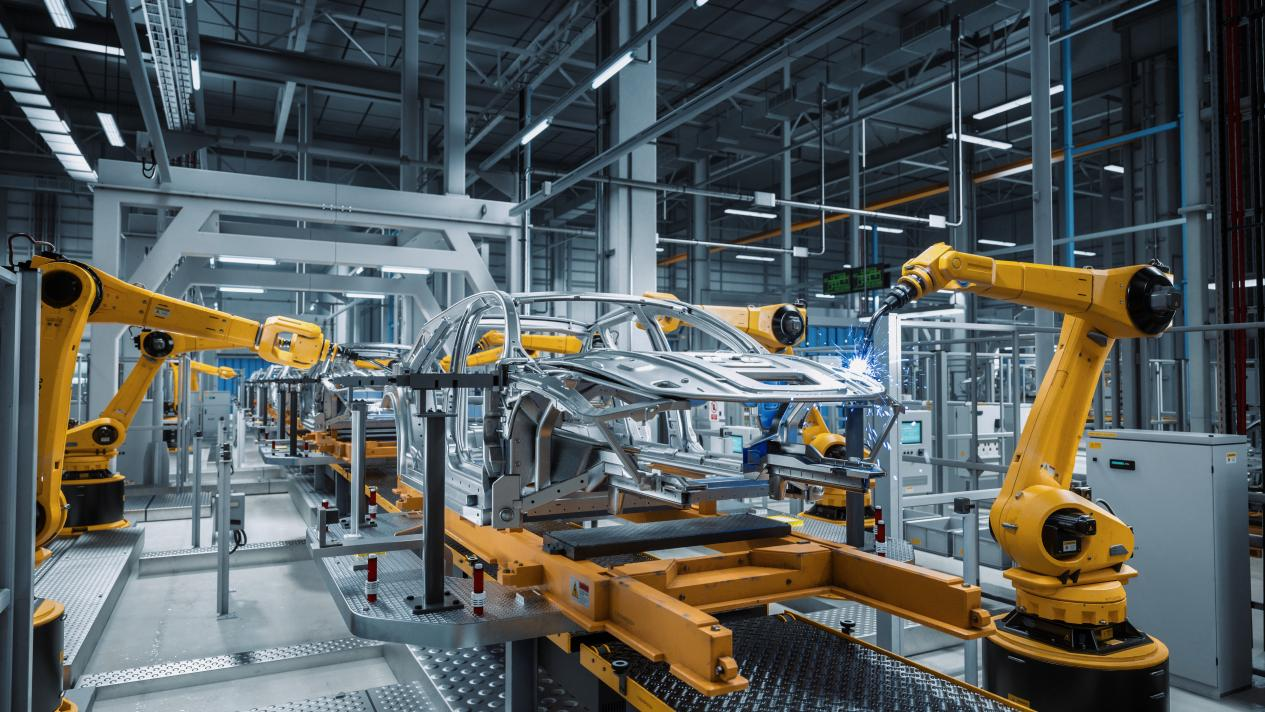
Production lines often generate large amounts of data that must be processed in real-time to ensure smooth operation. M.2 PCIe and U.2 interfaces are ideal for these environments due to their high speed and stability. Also the wide temperature range of -40°C ~ 85°C helps industrial SSDs to better adapt to harsh environments.
- Example: In automotive manufacturing, U.2 SSDs store machine data and quality inspection results, ensuring efficiency and precision in the production proces
4.2 Industrial IoT (IIoT) Devices
IIoT devices often require compact, energy-efficient storage solutions. M.2 interfaces, with their small size and relatively low power consumption, are an ideal choice for these applications. SATA SSDs are also used in IIoT systems that prioritize cost over extreme performance.
4.3 Industrial Monitoring and Security Systems
These systems require high data throughput to store video surveillance data and process images. CF and CFast interfaces are commonly used in industrial cameras, while SATA interfaces are used for central data storage.
4.4 Aerospace and Military Applications
In aerospace and military industries, reliability and durability are paramount. Specialized interfaces designed for harsh environments provide enhanced resistance to shock, vibration, and extreme temperatures, ensuring that data is stored securely even in the most challenging conditions.
5. Considerations for Selecting an Industrial SSD Interface
5.1 Performance Requirements
When choosing an SSD interface, it’s crucial to evaluate the performance requirements of the specific application. If high-speed data read/write is essential, M.2 PCIe or U.2 interfaces may be the best choice. For lower-performance applications, SATA or CF cards may suffice.
5.2 Cost Factors
The cost of an industrial SSD depends on the interface chosen. Higher-performance interfaces like M.2 PCIe and U.2 generally come at a premium, while SATA and CF cards are more budget-friendly options. It’s important to balance performance needs with budget constraints.
5.3 Compatibility and Scalability
Ensure that the chosen interface is compatible with existing industrial systems and offers scalability for future upgrades. Interfaces like U.2, which support multi-drive configurations, provide flexibility for future expansion.
5.4 Environmental Adaptability
Consider the environmental conditions in which the SSD will operate. For extreme temperatures, vibrations, and other harsh conditions, interfaces like CF and CFast, which are built to withstand tough environments, are highly recommended.
6. Future Trends in Industrial SSD Interfaces
6.1 Technological Innovations
Looking ahead, we can expect to see continued innovation in SSD interfaces, with advancements in speed, bandwidth, and energy efficiency. New protocols and technologies, such as PCIe 5.0 and beyond, are likely to enhance the performance and scalability of industrial SSDs even further.
6.2 Impact on Industrial Applications
As SSD interfaces evolve, they will enable industrial applications to handle larger datasets, process data more quickly, and improve overall operational efficiency. Companies should stay ahead of these trends to remain competitive in an increasingly data-driven industrial landscape.
7. Conclusion
Choosing the right industrial SSD interface is critical for optimizing performance, ensuring system stability, and meeting the unique demands of various industrial applications. Whether you need high-speed data access, durability, or cost-effectiveness, understanding the strengths and limitations of different interfaces will help you make the best choice for your needs.
As industrial environments continue to evolve, SSD interface technologies will play a central role in enhancing storage capabilities and enabling new applications. Companies should stay informed about emerging trends and work closely with storage solution providers to ensure they select the best SSD interfaces for their needs.