Industrial SSDs are changing how we store data in 2025. These new drives offer great speed, dependability, and strength. They are very important for big businesses. Unlike older storage options, industrial SSDs work well in tough conditions. They can handle heavy tasks without problems. They process large amounts of data quickly, keeping things running smoothly. Whether you use AI systems or factory machines, these SSDs give the power and toughness needed to succeed in a tough market.

1. Key Takeaways
- Industrial SSDs are fast, strong, and long-lasting for businesses today.
- AI makes SSDs work faster and need less fixing.
- Green SSD designs save power and help the planet.
- Big industrial SSDs handle the huge data needs of industries.
- Picking an SSD means checking heat limits and power use.
2. Key Trends in Industrial SSDs
2.1 AI Integration in Industrial SSDs
Artificial intelligence is changing how industrial SSDs work. These drives now use smart AI tools to improve speed and spot issues early. This helps systems run better and cuts down on repairs. AI also makes data handling easier by studying how it’s used and sharing resources wisely. As AI gets better, these SSDs will adjust to your needs and boost efficiency.
2.2 Edge Computing and Industrial Grade SSDs
Edge computing has increased the need for industrial SSDs. These drives process data near its source, making decisions faster and cutting delays. They are used in self-driving cars, smart factories, and remote systems. Their strength in tough conditions makes them perfect for edge computing. Using these SSDs helps you keep up with new tech and handle spread-out computing tasks.
2.3 Sustainability in SSD Technology
Eco-friendly storage is now a must-have. SSD manufacturers are using green methods to lower harm to the planet. They design energy-saving drives and use materials that can be recycled. Picking SSDs with eco-certifications helps the planet and gives you advanced tech. This move to greener options matches market growth and the need for responsible business actions.
2.4 Demand for High-Capacity Industrial SSDs
The need for bigger industrial SSDs is growing fast. Businesses now deal with more data than ever before. Old storage methods can’t handle this increase. You need storage that is fast and dependable. Industrial SSDs solve this problem with great size and speed.
Big storage is key for companies that process lots of data. If you run a data center or factory, these SSDs help. They grow with your needs and work well under pressure. This makes them very useful for modern businesses.
Data centers are switching to industrial SSDs. Cloud computing and big data need both speed and space. These SSDs are fast and reduce delays. They are important for running data centers smoothly.
Industrial SSDs are popular because they work in many ways. From AI systems to edge computing, they are flexible and strong. They can handle tough conditions, making them perfect for industries and businesses.
Buying high-capacity SSDs helps your business stay ahead. They meet today’s needs and prepare you for tomorrow. Their mix of size, speed, and dependability makes them a smart pick.
3. Technological Innovations in Industrial SSDs
3.1 Low-Latency Industrial SSDs
Low-latency industrial SSDs make data handling much faster. These drives cut the time needed to access and process data. This means quicker responses for important tasks. If you run business systems or factory machines, these SSDs help everything work smoothly. By reducing delays, these advanced SSDs boost productivity and keep systems efficient.
The need for low-latency drives shows how storage is changing. Many industries now depend on fast, real-time data processing. These SSDs are fast and reliable, making them perfect for today’s businesses. They handle big workloads with little delay, which is very useful.
3.2 High-Durability Industrial Grade SSDs
Strong industrial SSDs are important for tough jobs. These drives are made to last in hard conditions and heavy use. You can trust them to work well even in rough environments. They resist shocks, vibrations, and wear, so they stay reliable for a long time.
This new technology meets the need for strong storage. Factories and transport systems need SSDs that survive extreme conditions. Buying durable SSDs lowers repair costs and keeps systems running longer. These drives are a big step forward in storage technology.
3.3 Wide-Temperature SSD Capabilities
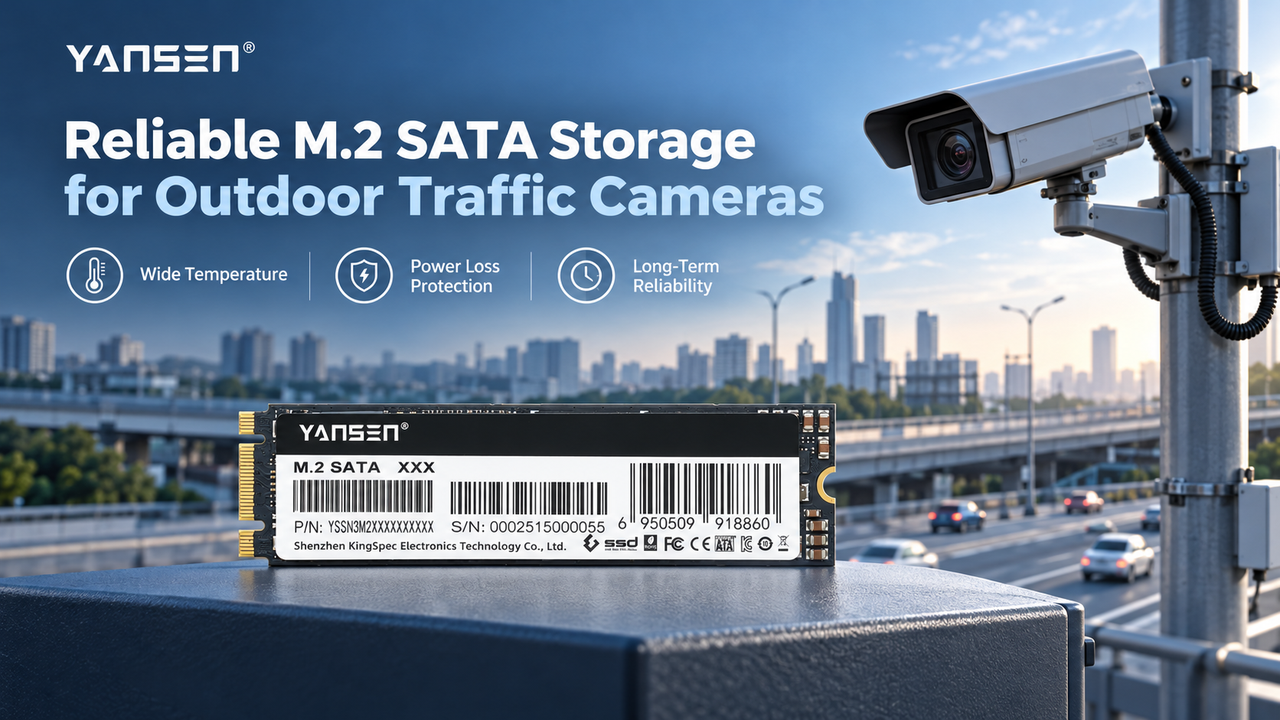
Wide-temperature industrial SSDs work in very hot or cold places. Whether it’s freezing or boiling, these drives keep working. This makes them great for industries like space, defense, or outdoor setups.
These SSDs protect your data and keep systems reliable in tough weather. Their smart design lets you focus on work without worrying about storage problems. They help your business grow by staying dependable anywhere.
Tip: Check the temperature range of an SSD before buying. This ensures it works well in your environment.
3.4 Advanced NAND Flash Technologies
NAND flash storage is key to industrial grade SSD progress. It helps store lots of data in a small, reliable way. New updates make NAND flash faster and tougher. It can now handle more work in hard conditions. These changes help systems process data better and faster.
A big advantage of advanced NAND flash is more storage space. It adds capacity without slowing down performance. This is vital for industries needing to manage huge data loads. Examples include data centers and enterprise systems. Multi-layered NAND flash fits more data into tiny spaces. This saves room and lowers costs over time.
Another plus is its strong reliability. These drives last long and resist damage from heavy use. For businesses, this means fewer breakdowns and less money spent on repairs. These SSDs keep your systems running smoothly, even with tough tasks.
Note: Check the NAND flash type when picking an industrial grade SSD. This ensures it fits your needs for size and strength.
3.5 Energy-Efficient SSD Designs
Energy-saving SSDs are now a big focus for companies. Industrial grade SSDs are built to use less power but still perform well. This helps businesses cut costs and meet eco-friendly goals.
These SSDs have smart power systems to save energy. They adjust power use based on the task, wasting no energy. This means lower bills and a smaller impact on the planet.
Another benefit is their use in remote areas. They need less power, making them great for edge computing and IoT devices. You can use them where energy is limited without losing performance.
Tip: Choose SSDs with energy certifications for eco-friendly tech. This helps the planet and boosts your company’s green image.
4. Applications of Industrial SSDs
4.1 AIoT and Smart Devices
Industrial grade SSDs are key for running AIoT and smart devices. These gadgets need fast and steady storage to work in real time. With industrial SSDs, tasks like smart homes and connected appliances run smoothly.
These SSDs are tough and handle constant data flow easily. They work well in harsh places, like outdoors or factories. For example, factory sensors use them to track machines and predict repairs. This boosts efficiency and cuts downtime.
Tip: Pick SSDs with big storage and low delay for real-time tasks.

4.2 Medical Data Storage Solutions
Healthcare needs safe and fast storage for medical data. Industrial SSDs give the speed and dependability needed for patient records and imaging. They allow quick access to vital info, saving lives in emergencies.
These SSDs follow strict rules to keep data secure. They stop unauthorized access and prevent data loss. Their energy-saving designs make them great for portable devices like ultrasound machines.
Using industrial SSDs improves medical systems and follows data protection laws. They are a must-have for modern healthcare tools.
4.3 Transportation and Automotive SSDs
In transportation, industrial SSDs are changing how vehicles work. They support advanced tech like self-driving cars and GPS systems. Their speed ensures smooth and accurate performance.
These SSDs handle extreme heat, cold, and vibrations, making them ideal for cars. For example, they help self-driving cars analyze data in real time for safety. In public transit, they power ticket systems and cameras, improving service.
Note: Use SSDs with wide-temperature features for reliable car performance.
4.4 Industrial Automation and Robotics
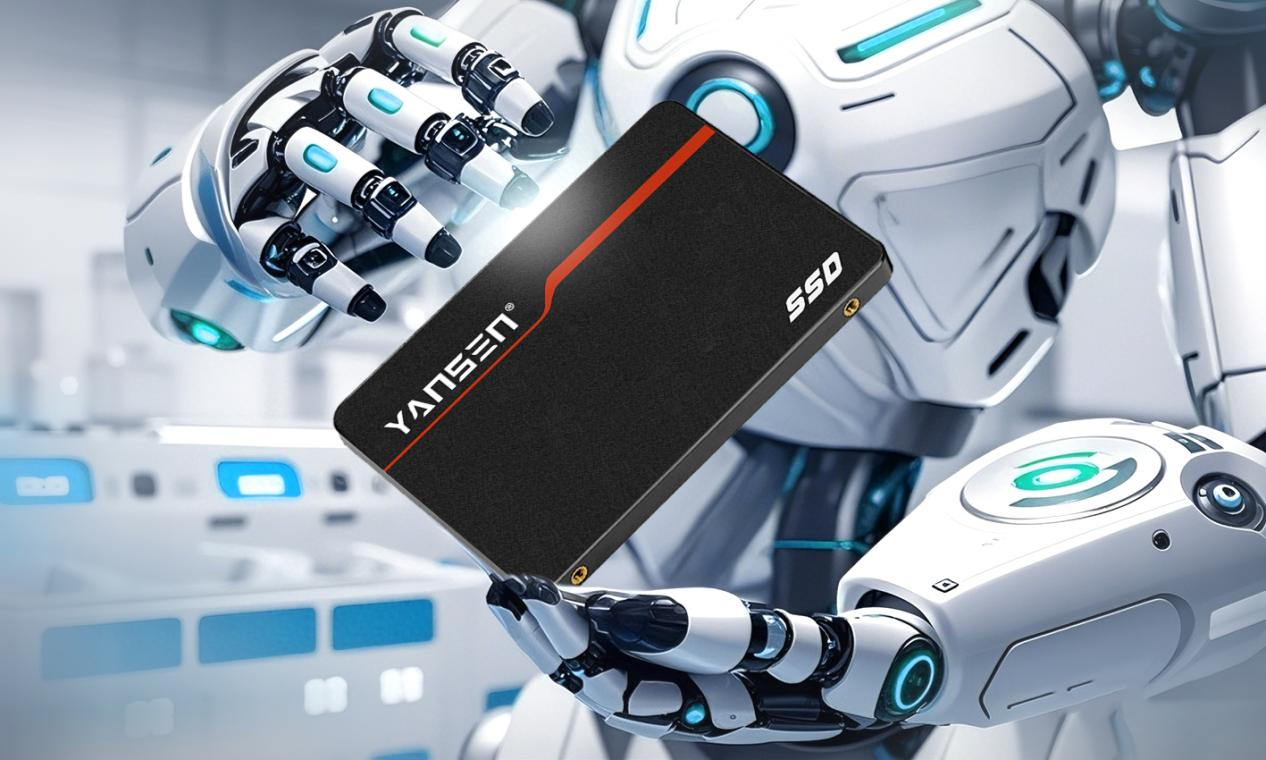
Robots and automation need strong, fast storage to work well. Industrial grade SSDs help these systems run without problems. They are fast and tough, making them great for hard jobs. You can use them in robotic arms, factory lines, and smart warehouses to boost work speed.
A big plus of these SSDs is handling lots of data fast. Robots need quick data to make choices right away. These SSDs help systems act fast, cutting delays and working better.
Another good thing is their strength. Factories can be dusty, shaky, and very hot or cold. Industrial grade SSDs are made to handle these tough places, so they keep working. This makes them perfect for factories where things must always run smoothly.
Tip: Pick SSDs that work in hot and cold places for changing environments.
Using industrial grade SSDs in automation makes work faster, cheaper to fix, and more reliable. These drives are key to staying ahead in today’s tech-driven industries.
4.5 Aerospace and Defense SSD Applications
Planes and defense tools need storage that works in tough spots. Industrial grade SSDs are built strong and use smart tech to meet these needs. They are fast and reliable for jobs like maps, talking, and studying data.
In space and planes, these SSDs are used in satellites, jets, and space tools. They work in high places, with lots of shaking and extreme weather. Their speed helps missions run smoothly by storing and finding data quickly.
In defense, these SSDs help with cameras, radars, and safe communication. They are strong and protect data, making them great for important tasks. You can trust them to keep info safe and systems running well.
Note: Choose SSDs with strong security features to keep defense data safe.
Industrial grade SSDs are a must for space and defense work. They give the speed and strength needed for these hard jobs. Picking these drives helps your important projects succeed.
5. Challenges and Solutions in Industrial SSDs
5.1 Security in Industrial SSDs
Keeping data safe is very important for industrial grade SSDs. You need drives that stop hackers and protect private information. New SSDs now use smart encryption to keep your data secure. Even if someone gets the drive, they can’t read the data without a password.
Another key feature is safe data deletion. Industrial grade SSDs can erase data completely when needed. This stops anyone from recovering sensitive info after the drive is no longer used.
Tip: Pick SSDs with encryption and secure erase tools. These features protect your data and business.
5.2 Reliability in Mission-Critical SSD Applications
Reliability is crucial for SSDs in important jobs. System crashes or lost data can’t happen during critical tasks. Industrial grade SSDs are built to handle heavy work without failing. They use special methods to last longer and keep data safe.
These SSDs also fix small errors automatically. This keeps your data correct, even if hardware has issues. For industries like healthcare or space, this reliability is a must.
Note: Choose SSDs with error-fixing and wear-leveling features. These ensure they work well for a long time in tough jobs.
5.3 Power Efficiency in Industrial SSDs
Saving power is now a big focus for industrial grade SSDs. You need drives that use less energy but still work fast. Modern SSDs have smart systems to manage power based on tasks. This saves energy and avoids waste.
Energy-saving SSDs are great for faraway places or edge computing. They need less power, so they work well where energy is limited. This also helps businesses go green and save money.
Tip: Use SSDs with energy-saving designs. They cut costs, help the planet, and keep performance high.
5.4 Cost Management in Industrial Grade SSDs
Keeping costs low is important when buying industrial grade SSDs. These drives have great features, but they can be pricey. By knowing what affects costs and using smart tips, you can save money.
The type of SSD you pick affects the price. SSDs with special features like wide-temperature use or extra strength cost more. Think about what your business really needs. For example, if your workplace has steady temperatures, you don’t need wide-temperature SSDs. This way, you won’t pay for things you don’t need.
Another way to save is by looking at the total cost of ownership (TCO). Some SSDs cost more upfront but last longer. They are strong and need fewer repairs, saving money over time.
Buying in bulk is also a good idea. Many sellers give discounts for big orders. If you need many SSDs, buying more at once can lower the price. Working with a trusted seller also helps you get good deals and quality products.
Energy-saving SSDs are another option. These drives use less power, cutting electricity bills. Over time, the money saved on energy can make up for the higher starting cost.
Tip: Check prices and features from different sellers. This helps you find the best deal without losing quality.
By focusing on what you need, thinking about TCO, and trying bulk or energy-saving options, you can control costs. Industrial grade SSDs are a smart long-term buy, and good cost planning helps you get the most for your money.
Industrial SSDs are key to new data storage in 2025. They help you use advanced tech like AI and automation. These drives work well in tough places, making them vital globally. As they improve, expect better speed, strength, and eco-friendliness. Using industrial SSDs helps your business grow with changing technology.
Tip: Keep learning about SSD updates to stay ahead in your field.
6. FAQ
6.1 What makes industrial SSDs different from consumer SSDs?
Industrial SSDs are made for hard conditions. They work in extreme heat, cold, and with heavy use. Consumer SSDs are for daily tasks, but industrial SSDs focus on strength and dependability. They are used in factories, vehicles, and space tools.
6.2 How do I choose the right industrial SSD for my business?
Think about your work and environment. Pick SSDs with features like wide-temperature use, strong build, and energy-saving designs. Check if they fit your system and have enough speed and storage. Trusted suppliers like YANSEN can help you find the best options.
6.3 Are industrial SSDs energy-efficient?
Yes, many industrial SSDs save power. They have smart systems to use less energy but still work well. This makes them great for faraway places, IoT gadgets, and cutting costs while helping the planet.
6.4 Can industrial SSDs improve system reliability?
Yes, they can. Industrial SSDs have tools to fix errors and last longer. They are built to handle shocks and tough jobs. These features keep your data safe and systems running, even in hard conditions.
6.5 Why should I choose YANSEN for industrial SSDs?
YANSEN gives top-quality industrial SSDs you can trust. They offer custom solutions, fast help, and new ideas. Picking YANSEN means working with a leader who cares about your success.
Tip: Ask ssd manufacturer to find the best SSD for your needs.