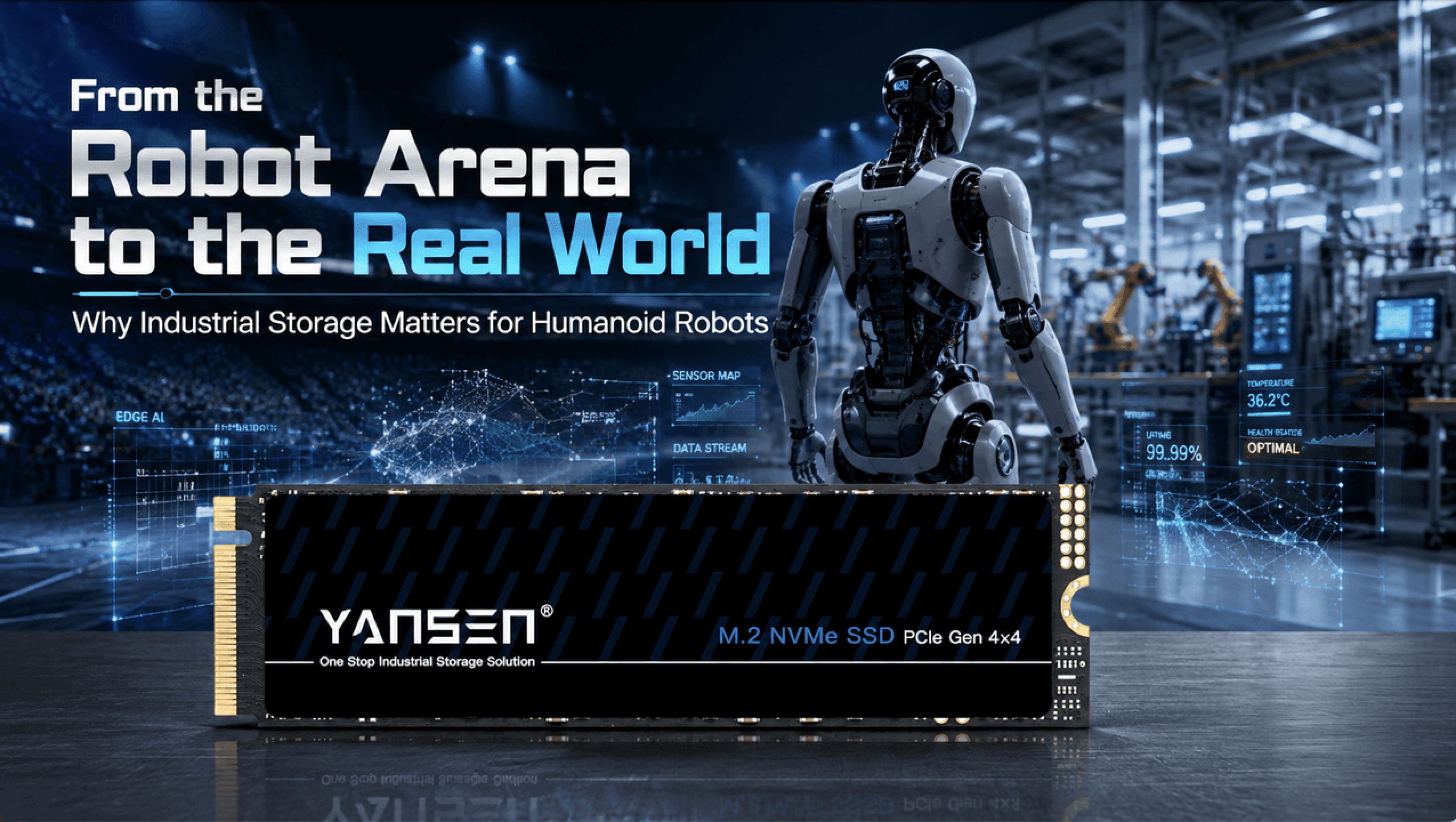
As industrial automation and robotics technologies continue to evolve, challenges around real-time data processing, secure storage, and efficient transmission have intensified. Industrial SSDs (Solid State Drives) stand as pivotal solutions to these challenges, offering unmatched performance, durability, and reliability. These SSDs enhance the efficiency of automated production lines and robotic systems by facilitating rapid data exchanges and stable operation even in harsh environments.
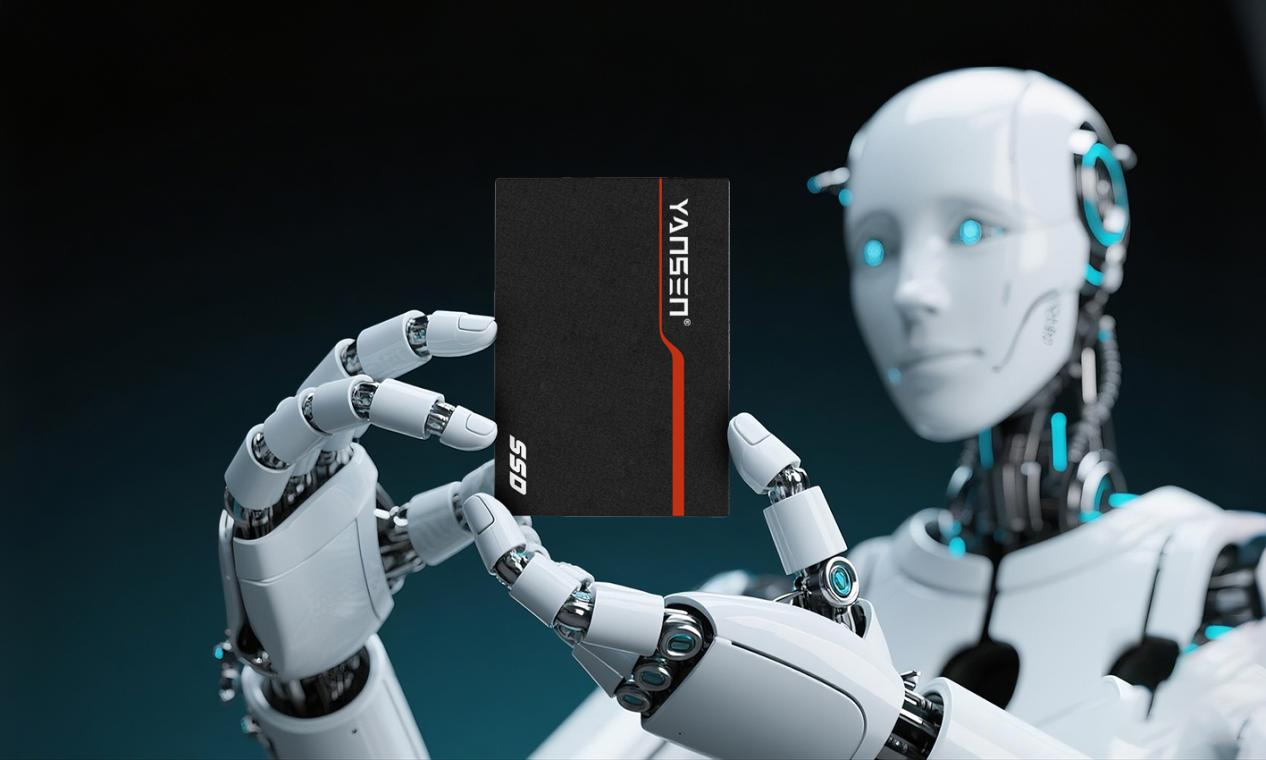
1. The Rapid Growth of Automation and Robotics Technology
1.1 Automation and Robotics: An Expanding Landscape
Automation and robotics are transforming industries, driving efficiency and reducing reliance on manual labor. Their applications are expanding across multiple domains, each demanding unique solutions to meet increasingly complex challenges.
1.1.1 Automation in Manufacturing
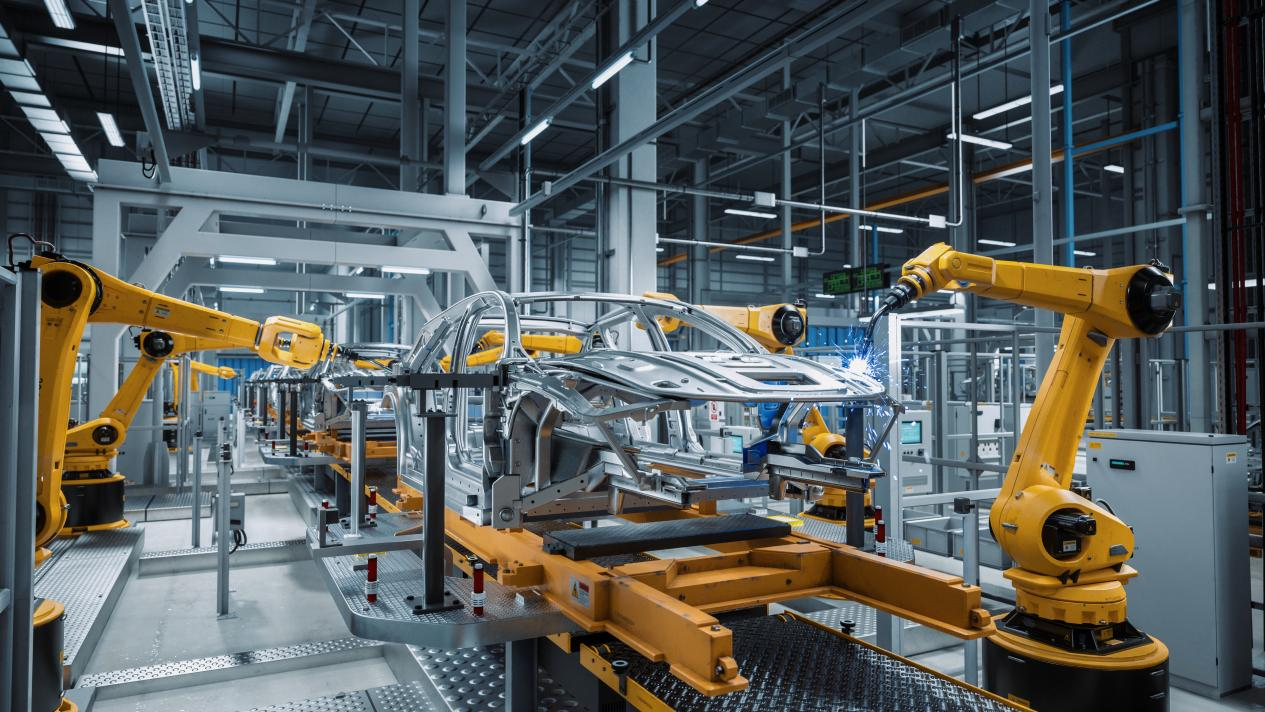
Automation has become the backbone of modern manufacturing, with fully automated production lines replacing traditional manual processes. Systems like Computer Numerical Control (CNC) machines, conveyor systems, and robotic arms ensure consistent production quality and faster throughput. For example, in automotive assembly lines, robots precisely weld car parts, reducing human error and significantly cutting down production time.
These systems rely heavily on real-time data processing and decision-making, necessitating high-performance storage solutions such as industrial SSDs to manage vast amounts of sensor data and control signals.
1.1.2 Robotics in Logistics and Supply Chain Management
The logistics sector has seen exponential growth in robotic adoption. Automated guided vehicles (AGVs) and robotic arms are now widely used in warehouses to sort packages, pick items, and optimize storage spaces. For instance, companies like Amazon leverage robots for inventory management, enabling quick delivery times and seamless operations.
This application involves real-time data input from scanners, cameras, and GPS trackers, making industrial SSDs indispensable for storing and processing operational data at low latency.
1.1.3 Emerging Applications in Healthcare and Medicine
Robots are playing a crucial role in healthcare, assisting in tasks ranging from minimally invasive surgeries to rehabilitation therapies. Surgical robots, such as the da Vinci Surgical System, require split-second precision and real-time feedback. Similarly, robots in pharmacies dispense medications with extreme accuracy, eliminating errors in dosages.
Such applications demand ultra-reliable data storage systems to manage patient data, imaging files, and procedural commands securely and efficiently. Industrial SSDs provide the durability and data integrity required for such critical operations.
1.1.4 Driving the Demand for High-Performance Storage
As automation and robotics evolve, the volume of data generated by these systems continues to grow. Vision-based AI in robots, real-time analytics, and multi-sensor inputs are key drivers of this growth. Traditional storage solutions like HDDs are increasingly inadequate due to their slower speeds and mechanical vulnerabilities. Industrial SSDs fill this gap by offering the speed, reliability, and resilience needed to keep these systems operational in demanding environments.
1.2 Data Storage and Processing Needs
The rapid advancements in automation and robotics have placed unprecedented demands on data storage and processing systems. Below are the specific requirements and challenges that drive the need for advanced solutions like industrial SSDs.
1.2.1 Real-Time Data Collection and Analysis
In automated systems, real-time data processing is not just a convenience—it is a necessity. Robots and automated equipment interact with their environments using sensors and cameras, generating massive amounts of data every second. This data must be captured, processed, and acted upon in real time. For example:
- Manufacturing Lines: Robotic arms use sensor inputs to adjust their movements dynamically, requiring instantaneous data processing to ensure precision.
- Logistics Robots: Autonomous vehicles navigate complex environments by constantly analyzing real-time data from cameras and LiDAR systems.
Industrial SSDs facilitate real-time operations with ultra-low latency and high-speed read/write capabilities, ensuring that data is available immediately for decision-making.
1.2.2 High-Speed Data Transfer
Robotics systems handle diverse types of data, including video feeds, environmental measurements, and control signals. For example, a robotic system assembling a smartphone may require seamless coordination among various subsystems, such as vision systems and actuators. This coordination is made possible by the high-speed transfer of large data packets, a capability that industrial SSDs excel at compared to traditional storage options.
High-speed data transfer also plays a vital role in applications like AI-powered image recognition in robots. Here, SSDs ensure that high-definition images can be stored and retrieved at lightning speed to power complex algorithms.
1.2.3 Reliable Long-Term Data Storage
Unlike consumer devices, automation systems often operate 24/7. This requires storage solutions that can handle continuous workloads without failures. Industrial SSDs are specifically designed for these high-duty cycles, offering robust endurance to manage intensive read/write operations over extended periods.
For example, in a medical robot performing repetitive imaging tasks, a failure in data storage could lead to delays or errors in diagnosis. Industrial SSDs prevent such risks through built-in features like wear-leveling algorithms and advanced error correction codes.
1.2.4 Addressing Harsh Operational Conditions
Data storage in automation and robotics also needs to withstand harsh conditions, including extreme temperatures, vibrations, and electromagnetic interference. Traditional HDDs, with their mechanical parts, are prone to failures under such circumstances. Industrial SSDs, with their solid-state architecture and ruggedized designs, are better suited to environments where reliability is critical.
By providing stable and efficient data handling across these scenarios, industrial SSDs empower the seamless operation of automation and robotics systems, pushing technological boundaries even further.

2. Advantages of Industrial SSDs: High Performance and Reliability
2.1 High-Performance Data Transfer and Low Latency
2.1.1 Exceptional Read/Write Speeds
Industrial SSDs provide unparalleled read and write speeds compared to traditional storage systems. These capabilities are critical in automation and robotics, where systems must process commands in milliseconds to maintain efficiency. For example, robotic arms on an assembly line depend on real-time instructions to adjust movements dynamically. SSDs with sequential read speeds up to 3,500 MB/s and write speeds of 3,000 MB/s can handle these demands effortlessly.
2.1.2 Low Latency for Immediate Responses
Latency is a significant bottleneck in data-driven systems. Industrial SSDs minimize this issue by reducing the time it takes to retrieve or write data. In robotic surgery, for instance, even microsecond delays can affect precision, making low-latency storage an essential component. SSDs achieve this through advanced controller technologies and optimized NAND architecture, ensuring that every command is executed without delay.
2.1.3 Scaling with Automation Complexity
As automated systems grow more complex, their reliance on interconnected components like cameras, sensors, and actuators increases. Industrial SSDs are designed to support this complexity, offering simultaneous read/write operations that ensure data flows seamlessly between subsystems. This scalability makes them ideal for next-generation automation in smart factories and logistics hubs.
2.2 Durability and Reliability: Meeting Industrial Challenges
2.2.1 Long-Lasting Components
Industrial SSDs are built using high-grade NAND flash, such as Single-Level Cell (SLC) or Enterprise Multi-Level Cell (eMLC), which significantly outlast consumer-grade alternatives. These components can handle tens of thousands of program/erase (P/E) cycles, ensuring years of reliable performance in demanding environments.
2.2.2 Rugged Design for Harsh Conditions
Industrial environments often subject devices to extreme vibrations, temperature fluctuations, and humidity. Unlike HDDs, which have moving parts susceptible to damage, SSDs rely on solid-state technology that remains resilient under these conditions. For instance, industrial SSDs used in mining equipment or offshore drilling rigs operate flawlessly at temperatures ranging from -40°C to 85°C.
2.2.3 Proactive Error Correction
Reliability is further enhanced by advanced features like Error Correction Code (ECC) and wear-leveling algorithms. ECC identifies and corrects data corruption before it impacts operations, while wear-leveling ensures even usage of memory cells, preventing early failures. This combination is critical for applications such as autonomous vehicles, where data integrity directly impacts safety.
3.1 Real-Time Data Processing and Storage Demands
3.1.1 Managing Sensor and Signal Data
Automation systems generate a continuous stream of data from sensors, cameras, and control units. For example, a manufacturing robot may simultaneously monitor temperature, pressure, and positioning sensors. Industrial SSDs handle these data streams with high Input/Output Operations Per Second (IOPS), often exceeding 1,000,000, enabling seamless real-time processing.
3.1.2 Powering Advanced Robotics
In robotic applications such as AI-driven assembly lines or medical robots, split-second decisions are essential. SSDs support these tasks by enabling rapid storage and retrieval of critical data. With high-performance SSDs, robots can execute complex tasks like object recognition, path planning, and task execution without delays.
3.1.3 Edge Computing Integration
As more industrial applications shift toward edge computing, where data is processed locally rather than in a centralized data center, SSDs play a vital role. Their compact design and high performance make them ideal for integration into edge devices, supporting real-time analytics and decision-making close to the data source.
3.2 Boosting Operational Efficiency and Productivity
3.2.1 Reducing Downtime
Operational delays caused by data bottlenecks or storage failures can be costly. Industrial SSDs significantly reduce downtime by offering high durability and consistent performance, even under heavy workloads. For instance, automated packaging systems rely on SSDs to track inventory and coordinate machinery, ensuring uninterrupted operation.
3.2.2 Accelerating Workflow Execution
The speed of SSDs translates directly into higher productivity. In automated warehouses, robots equipped with SSD-powered control systems can process orders and navigate storage spaces faster. This efficiency scales across industries, from automotive to healthcare, boosting output and minimizing errors.
3.2.3 Enhanced Data Organization
Advanced features like Dynamic Write Acceleration (DWA) allow SSDs to handle write-heavy workloads efficiently, optimizing data organization for faster access. This is particularly useful in robotics, where commands and sensor inputs must be processed in sequence to avoid operational errors.
3.3 Ensuring Data Security and Fault Tolerance
3.3.1 Robust Data Protection Mechanisms
Industrial SSDs incorporate robust data protection features, such as hardware-based encryption (e.g., AES-256), to secure sensitive information. This is crucial in automated environments like pharmaceutical production, where data breaches could lead to regulatory penalties or compromised product integrity.
3.3.2 Power-Loss Protection
Unexpected power failures are common in industrial settings and can lead to data corruption. SSDs equipped with power-loss protection (PLP) use onboard capacitors to ensure all data is written to non-volatile storage during a power outage. This feature safeguards critical operations, such as real-time monitoring systems in power plants.
3.3.3 Redundancy and Fault Tolerance
For applications requiring 24/7 availability, such as automated distribution centers, SSDs support RAID configurations that provide redundancy and fault tolerance. By mirroring or striping data across multiple drives, these systems ensure that operations continue seamlessly even if one drive fails.
3.3.4 Advanced Self-Monitoring
Industrial SSDs often include SMART (Self-Monitoring, Analysis, and Reporting Technology) features that provide real-time health monitoring. This allows maintenance teams to proactively replace aging drives, preventing failures and maintaining high uptime.
4. Durability Standards for Industrial Environments
4.1 Resistance to Vibrations and Impacts
Industrial environments often subject equipment to extreme vibrations and mechanical impacts. For example, automated robotic arms in a car assembly line operate in high-vibration zones where even slight data loss or malfunction could disrupt production. Unlike traditional hard disk drives (HDDs) that rely on spinning disks and are prone to mechanical failures, industrial SSDs have no moving parts, making them inherently more resistant to shock and vibration.
Many industrial SSDs, such as those used in logistics and military applications, are tested for shock resistance up to 1500G and vibration resistance of 20G. These specifications ensure reliable performance in rugged environments such as mining operations, where data storage systems are subjected to continual jolts and environmental disturbances. Enhanced shock-absorbing casings and anti-vibration mounting systems further enhance the stability of these SSDs.
4.2 Thermal Stability Across Extreme Temperatures
Automated systems in environments like steel mills or cold storage facilities face significant temperature fluctuations, ranging from sub-zero temperatures to scorching heat. Industrial SSDs are designed to operate in extreme temperatures, typically ranging from -40°C to 85°C, without performance degradation. Advanced thermal management technologies, such as dynamic thermal throttling, allow SSDs to maintain consistent read/write speeds even under temperature stress.
These features are vital in precision-driven environments, such as robotic surgical suites, where maintaining storage stability ensures uninterrupted access to critical data. Similarly, agricultural robotics operating in remote areas benefit from the ability of industrial SSDs to function flawlessly under harsh weather conditions.
4.3 Humidity and Corrosion Resistance
Industrial-grade SSDs are designed to combat environmental challenges such as humidity, dust, and corrosive chemicals. They often feature protective coatings and hermetically sealed enclosures to safeguard internal components. For instance, robotics deployed in food processing plants face high humidity and potential exposure to cleaning chemicals. Industrial SSDs’ anti-corrosion properties and moisture resistance ensure reliable operation in such settings.
This durability extends to robotics used in offshore oil rigs, where salt-laden air poses a constant threat. With IP-rated enclosures and conformal coatings, industrial SSDs provide robust protection, maintaining data integrity and prolonging device lifespan.
5. How to Choose the Right SSD for Automation and Robotics
5.1 Performance Considerations
IOPS and Bandwidth Requirements:
Automation systems often deal with high-frequency tasks requiring rapid data access. The Input/Output Operations Per Second (IOPS) metric is crucial in determining how efficiently an SSD can handle simultaneous read/write operations. For data-heavy applications like automated quality control using machine vision, SSDs with high IOPS ratings (e.g., 500,000 or higher) ensure that images are processed in real-time without bottlenecks.
Throughput Requirements:
High-throughput SSDs are indispensable for robotics that generate large volumes of data, such as autonomous warehouse vehicles. Industrial SSDs with NVMe interfaces provide significantly higher data transfer rates than SATA-based counterparts, ensuring uninterrupted data streams for real-time analytics.
5.2 Environmental Compatibility
Resistance to External Factors:
Depending on the working environment, selecting SSDs with specific certifications for shock, vibration, and temperature resistance is essential. For example, robotics used in hazardous waste management benefit from SSDs compliant with ATEX or MIL-STD standards, ensuring safe and stable operation in hazardous environments.
Moisture and Dust Protection:
In highly humid or dusty environments, SSDs with IP-rated protection ensure reliable operation. A common use case is agricultural robotics, which frequently encounter such conditions. SSDs with advanced sealing prevent dust ingress and condensation-related damage.
5.3 Security and Data Integrity
Advanced Encryption Technologies:
As industrial automation systems become increasingly connected, data security is paramount. SSDs with hardware-based encryption, such as AES-256, ensure that sensitive information is protected against unauthorized access. This is especially critical in applications like financial transaction processing within automated systems.
Redundancy and Recovery:
Systems requiring zero downtime, such as emergency medical robotics, demand SSDs with robust fault tolerance. Features like RAID support and power-loss protection prevent data corruption or loss, ensuring consistent operation even during unexpected power failures. Additionally, self-monitoring tools like SMART provide real-time diagnostics, enabling proactive maintenance and minimizing downtime.
5.4 Matching Application Needs to SSD Capabilities
Storage Capacity and Scalability:
Selecting an SSD with appropriate storage capacity ensures cost efficiency and long-term usability. Robotics used in logistics benefit from SSDs with scalable capacities, from 128GB for compact systems to multi-terabyte solutions for data-heavy applications like autonomous inventory management.
Customizable Features:
Industrial SSDs often support firmware customization to meet specific operational needs. For example, SSDs designed for AI-driven robotics can incorporate optimized algorithms for wear leveling, enhancing their lifespan while managing the high write intensity of AI model updates.
6. YANSEN’s Industrial SSD Solutions
6.1 About YANSEN
YANSEN(https://www.yansen-ssd.com/) specializes in developing high-performance, durable industrial storage solutions(https://www.yansen-ssd.com/about-yansen-2) tailored for demanding applications. With a robust product line and customer-centric customization services, YANSEN sets a high standard in the industrial SSD market.
6.2 YANSEN’s Product Highlights
- Broad Compatibility: YANSEN SSDs support diverse interfaces, including SATA and NVMe, catering to varied industrial needs.
- Custom Solutions: Whether for compact robotics systems or large-scale automation plants, YANSEN provides bespoke storage solutions optimized for specific operational requirements.
- Reliability in Harsh Environments: YANSEN SSDs excel in extreme temperatures, vibrations, and humidity, ensuring stability under the toughest conditions.
7. Conclusion
The integration of industrial SSDs into automation and robotics systems represents a major step forward in addressing real-time data challenges, ensuring operational stability, and maximizing efficiency. With the growing demand for high-performance storage, businesses must carefully evaluate SSD specifications to select solutions tailored to their unique requirements.
YANSEN remains at the forefront of delivering cutting-edge industrial SSDs, empowering industries worldwide with reliable, high-capacity, and durable storage products. By aligning with emerging trends in AI and automation, YANSEN continues to lead in providing customized storage solutions, driving innovation, and enabling smarter, more efficient industrial operations.