With rising global temperatures and industrial systems expanding into more extreme environments, ensuring the stability of data storage systems has never been more crucial. From 5G base stations to automated factories and transportation networks, many industries require robust storage solutions capable of functioning reliably in high-temperature environments. As these systems must often operate 24/7, maintaining data integrity under such conditions becomes critical.
High temperatures can compromise the performance and reliability of hardware systems, especially those designed for continuous use. YANSEN‘s industrial-grade wide-temperature storage solutions have been specifically engineered to withstand such harsh conditions, ensuring data integrity and security across multiple industries. In this article, we will explore the impact of high temperatures on industrial equipment and how YANSEN’s solutions provide effective protection.

1. The Challenges of Extreme Temperatures for Industrial Equipment
In industrial environments, equipment is often required to function in extreme outdoor conditions or within high-temperature settings. This means that maintaining stable and reliable performance is critical for continuous operations. Let’s take a closer look at the specific challenges posed by extreme temperatures.
1.1 Industrial Applications Facing High-Temperature Challenges
Numerous industries are required to operate their equipment in extreme heat. These sectors face unique challenges that not only affect the hardware but also the internal storage systems that rely on continuous data transfer. Examples include:
- 5G Base Stations:Installed in outdoor environments, these stations are often exposed to extreme weather conditions, including high temperatures, dust, and direct sunlight. The base stations are tasked with handling large volumes of data, and any disruption in the storage process can lead to data loss or transmission delays.
- Transportation Systems:Modern transportation infrastructure, such as railway monitoring systems and intelligent traffic control networks, requires continuous, real-time data processing. These systems are often installed outdoors and must function reliably, regardless of temperature extremes, to ensure safety and efficiency.
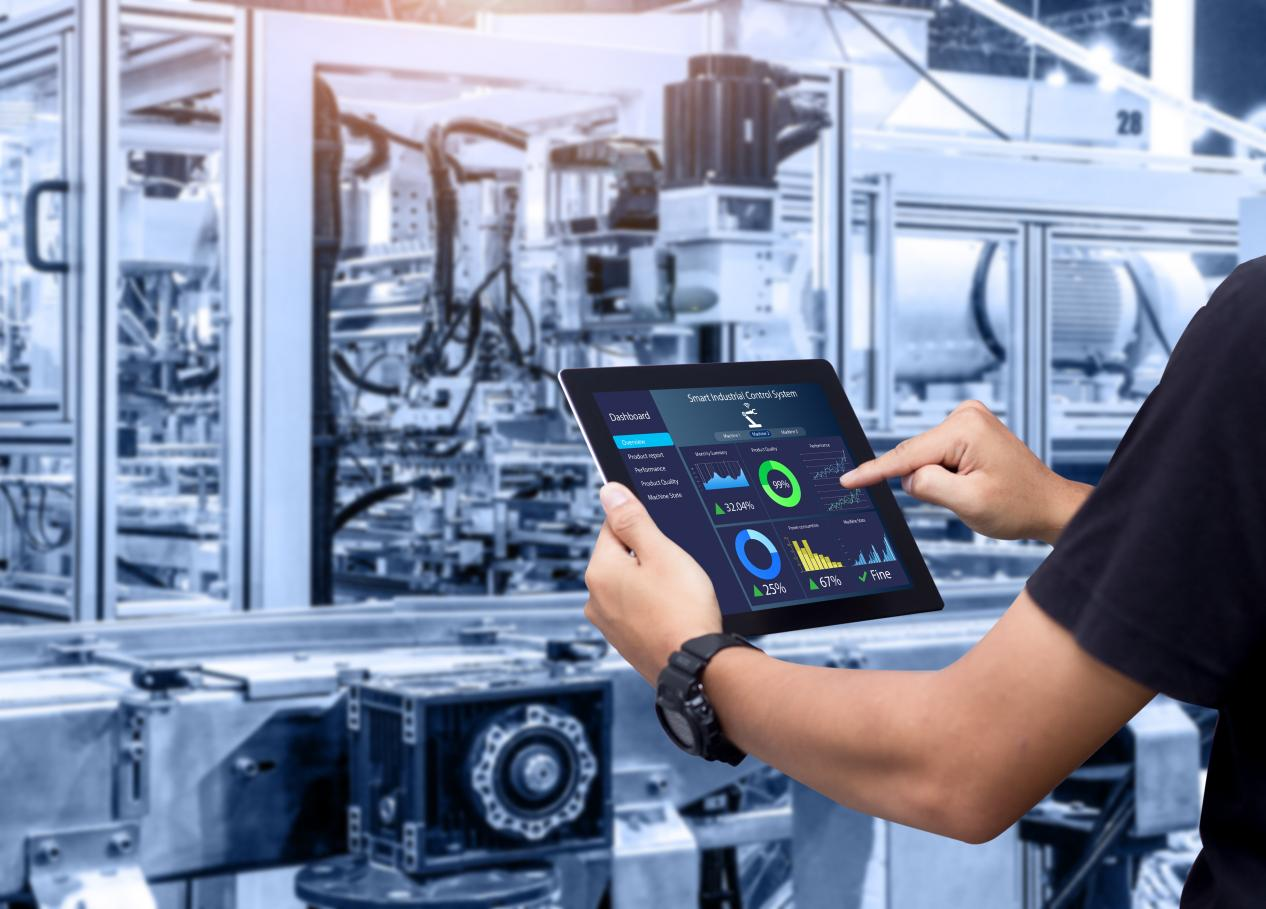
- Automated Factories:In industries such as manufacturing and robotics, factory machinery operates around the clock, generating internal heat and contributing to an already high-temperature environment. These systems must be capable of continuous data logging, making temperature-resistant SSDs essential to prevent overheating and data loss.
- Surveillanceand Security Systems: Security cameras and edge computing devices, especially those installed outdoors, are constantly exposed to environmental stressors. In cities with high summer temperatures, these devices must record and store high-resolution video footage in real time, necessitating reliable high-temperature storage solutions.
1.2 The Impact of Heat on Industrial Storage Systems
Operating in extreme heat presents several risks, including reduced efficiency in data transmission, increased error rates, and the potential for system failure. Heat can negatively impact the performance of NAND flash memory, which forms the foundation of most SSDs. Prolonged exposure to high temperatures can lead to the degradation of NAND cells, reducing the storage drive’s ability to accurately write and retrieve data. Over time, this can result in:
- Data Loss:As the temperature rises, storage components may become less reliable, leading to increased error rates and potential loss of critical data.
- System Downtime:In extreme cases, high temperatures can cause storage devices to overheat, leading to system shutdowns or complete failures. This can be particularly detrimental in mission-critical environments such as hospitals or financial institutions.
- Decreased Equipment Lifespan:Regular exposure to high temperatures can reduce the overall lifespan of SSDs, requiring more frequent replacements and increasing the total cost of ownership.
Given these risks, it is essential for industrial environments to adopt storage solutions that are specifically designed to withstand extreme temperature fluctuations while maintaining data integrity.
2. YANSEN’s Wide-Temperature Industrial-Grade Storage Solutions
To address the challenges posed by extreme heat, YANSEN has developed a range of wide-temperature storage solutions designed to provide reliable performance even in harsh environments. These solutions are engineered to withstand a wide temperature range while maintaining stable, high-performance data storage.
2.1 Product Overview: Purpose-Built for Extreme Conditions
YANSEN’s wide-temperature storage solutions are specifically designed to operate efficiently in a temperature range of -40°C to +85°C, ensuring stability and security even in the most demanding environments. With high read/write speeds and robust construction, these solutions are ideal for industries where data security and reliability are paramount.
Key features of YANSEN’s products include:
- Temperature Tolerance:Capable of operating from -40°C to +85°C, these storage solutions provide reliable performance even in harsh outdoor environments.
- High-Endurance NAND Technology:YANSEN’s SSDs utilize advanced MLC, TLC, and eMLC NAND flash technologies, which provide high endurance and longer lifespans compared to standard consumer-grade SSDs. This makes them perfect for applications requiring continuous read/write operations.
- Data Integrity Protection:The SSDs come equipped with advanced error correction code algorithms (ECC), which ensure data accuracy even when operating under extreme temperature stress. ECC technology enhances data reliability by automatically detecting and correcting errors in stored or transmitted data. This feature helps to prevent data corruption and maintains the reliability of the stored information.
2.2 YANSEN’s Wide-Temperature Storage Product Line
YANSEN offers a variety of industrial-grade SSDs specifically designed for wide-temperature applications. Here’s an overview of some key products in this category:
- 5-inch SATA(SATA 3.1/3.2): A high-performance SSD that is ideal for use in high-temperature environments such as surveillance systems and outdoor industrial applications. The drive provides fast data transfer speeds and stable performance under extreme heat conditions.
- mSATA(SATA 3.1/3.2): A compact, high-endurance SSD that is ideal for use in transportation systems and other applications where space is limited, but durability is critical.
- 2 SATA(SATA 3.1/3.2)and M.2 NVMe (PCIe Gen3x4 Lane, NVMe 1.4): High-speed SSDs designed for data-intensive applications such as edge computing servers and 5G base stations. These drives can operate efficiently in extreme environments without compromising performance.
- SATA DOM(SATA 3.1): A reliable, small-form-factor storage solution ideal for railtransit systems and industrial automation where data stability is crucial.
- CF Cardsand CFAST Cards (ATA/ATAPI-7, SATA 3.1): These robust data storage solutions are designed for telecommunication networks and automated systems, providing high endurance and data security under extreme environmental conditions.
These products are designed to operate within a wide temperature range of -40°C to +85°C, making them suitable for various industrial applications where heat and environmental factors pose a significant risk.
3. Ensuring High Reliability Through Rigorous Testing
To guarantee that its products deliver consistent, high-performance results in harsh environments, YANSEN employs advanced testing methods. These methods simulate real-world industrial conditions and subject the storage solutions to extreme temperature, humidity, vibration, and stress tests.

3.1 Advanced Testing Equipment: ZS1000-80 Automated Storage Testing Equipment
YANSEN’s ZS1000-80 Automated Storage Testing Equipment plays a critical role in ensuring the reliability of its products. This advanced testing equipment allows the company to simulate a wide range of temperature and humidity conditions, ensuring that each SSD can withstand the harshest environments.
- Temperature Range (-55°C to +150°C):The testing equipment supports a wide range of temperatures, ensuring that products are tested beyond their operational limits to guarantee performance even in extreme conditions.
- Humidity Control (20% to 98%):The chamber’s ability to control humidity ensures that SSDs can withstand environments with high humidity levels, which are common in outdoor settings.
- Frost-Free Operation:YANSEN’s testing cabinet ensures that SSDs can function smoothly without frost buildup or condensation, which is especially important in high humidity
3.2 Comprehensive Testing Capabilities
YANSEN’s testing processes are designed to validate every aspect of an SSD’s performance. The ZS1000-80 system supports up to 80 SATA SSDs per test cycle, providing comprehensive, real-time testing results. Key testing features include:
- Power Control and Monitoring:The system’s precise power control and monitoring capabilities allow engineers to track power consumption and fluctuations at high resolutions (as precise as 0.01W). This helps verify that each SSD performs optimally under fluctuating power conditions.
- Performance and Data Verification:The testing cabinet allows for performance testing using highly accurate IO performance statistics. Additionally, it supports FPGA-accelerated data verification, ensuring that the data stored on each SSD remains intact, even under extreme conditions.
- Stress Testing:The system performs power cycling tests to simulate real-world operational scenarios. This includes tests for normal shutdown, abrupt power loss, and voltage drop tests to ensure data reliability and safety under abnormal conditions.
- Error Injection and Custom Testing:The testing equipment can simulate specific error conditions, allowing for custom protocol error injection and scenario-specific testing that mirrors real-world industrial environments.
ZS1000-80 Automated Storage Testing Equipment significantly enhances the efficiency and quality of YANSEN’s product testing. As part of YANSEN’s efforts to advance testing technology in the storage industry, this equipment is also available for external sale and has received widespread acclaim.
4. Conclusion: Why YANSEN’s Wide-Temperature Storage Solutions Are Essential
In high-temperature environments, choosing the right data storage solution is essential for maintaining data integrity and ensuring the long-term reliability of industrial systems. YANSEN’s wide-temperature SSDs are built to thrive in harsh conditions, offering robust performance, high endurance, and comprehensive data security. Each product undergoes rigorous testing to ensure its durability and performance under the most extreme environmental conditions.
By choosing YANSEN’s industrial-grade storage solutions, businesses can be confident that their systems will continue to operate smoothly, even in the hottest or most challenging environments. For more information about how YANSEN’s wide-temperature SSD solutions can help safeguard your data and optimize system performance, contact us today.